What Is White-Label Dropshipping (And How It Works for Supplements)
If you’ve ever dreamed of launching your own supplement brand but felt overwhelmed by the idea of inventory, packaging, or fulfillment, there’s good news.
There’s a smarter, faster way to start, and it’s called white-label dropshipping.
This business model has made it possible for everyday entrepreneurs to launch professional supplement brands from home without the typical costs or chaos. In this guide, you’ll learn exactly what white-label dropshipping is, how it works in the supplement industry, and why it might be the best opportunity for new business owners right now.
The Easiest Business Model Nobody Talks About
For a long time, starting a supplement business meant spending thousands of dollars upfront. You had to order large batches of product, store them, design packaging, manage shipping, and hope customers would eventually buy enough to cover the costs.
That model still works for big companies, but it’s completely unrealistic for most beginners.
White-label dropshipping changes that story. It allows you to create your own supplement brand without handling a single product yourself. You focus on branding and sales, and your supplier takes care of the rest.
By the end of this post, you’ll understand exactly how it works and why it’s the most efficient way to enter the supplement industry.
What “White-Label” Actually Means
Let’s start with the basics.
A white-label product is something created by one company that other businesses can rebrand and sell as their own.
Here’s a simple example:
A manufacturer produces a high-quality multivitamin. Instead of selling it under their own name, they offer it as a white-label product. You can then add your own logo, brand name, and custom label design, turning it into your own line of supplements.
White-labeling lets you focus on branding, storytelling, and marketing while leaving the technical work (formulation, testing, production) to professionals.
In some cases, suppliers also offer private label options, which include more customization such as proprietary blends or unique packaging. For beginners, however, white-label is faster, cheaper, and proven to work.
What “Dropshipping” Actually Means
Now, let’s add the second half of the equation: dropshipping.
Dropshipping is a fulfillment method where you sell a product online, but your supplier handles the storage, packing, and shipping.
Here’s how it works step by step:
A customer places an order on your online store.
Your supplier receives that order automatically.
The supplier ships the product directly to the customer — with your branding on the label and packaging.
You keep the profit from the difference between your selling price and the supplier’s cost.
That means no inventory, no shipping labels, and no boxes stacked in your living room.
You can run a full supplement business from your laptop.
How White-Label Dropshipping Works Together
White-labeling and dropshipping are powerful on their own, but together, they create the perfect business model for supplement entrepreneurs.
Here’s the simple formula:
White label = your branding
Dropshipping = your supplier handles fulfillment
You get all the benefits of running your own brand without the burden of manufacturing or storage.
For example, imagine you want to launch a stress-relief supplement line. You choose a pre-formulated product from a supplier, upload your custom label, and add it to your online store. When someone buys it, the supplier ships it directly to your customer under your brand.
It’s a seamless system that lets you focus on marketing and community while someone else handles logistics behind the scenes.
Why It’s Perfect for Supplements
Some products work better for dropshipping than others — and supplements happen to be one of the best.
Here’s why:
They’re consumable. Customers reorder monthly, creating steady recurring revenue.
They’re small and lightweight. That means lower shipping costs and fewer fulfillment issues.
They’re easy to brand. Labels and packaging do most of the heavy lifting for perception and trust.
They have wide appeal. Supplements can target fitness, beauty, energy, mood, focus, and more.
They build loyalty. Once someone finds a supplement that works, they rarely switch brands.
With the right approach, supplements give you both short-term sales and long-term customer retention, something most e-commerce products can’t match.
You can read more about why supplements make such a strong business model in [How to Start a Supplement Brand From Home].
Common Misconceptions About Dropshipping
Let’s clear up a few myths you might have heard.
“Dropshipping is a scam.”
Not true. It only becomes shady when people mislead customers or sell low-quality products. With reputable suppliers and honest branding, it’s a legitimate business model used by thousands of real companies.
“Dropshipping is oversaturated.”
It depends on the niche. Generic gadget dropshipping might be crowded, but niche supplement brands are still wide open — especially for focused products like sleep aids or stress support.
“You can’t build a real brand.”
Actually, white-labeling exists for branding. You control your name, your visuals, and your customer experience. The product is professionally made; you make it your own.
“It’s passive income.”
It can be automated, but it still requires effort. You’ll spend time building your website, crafting content, and serving customers — just without the warehouse stress.
What You Actually Do as the Brand Owner
If you’re thinking, “So what exactly will I be doing?” here’s the breakdown.
As the brand owner, your focus is on growth, not production.
Your responsibilities include:
Choosing your niche and products
Designing your brand and label
Building your website and store
Writing copy and creating visuals
Managing marketing and customer communication
Your supplier handles everything else manufacturing, packaging, and fulfillment.
This balance lets you run your business from anywhere while building something that’s fully your own.
How to Get Started
If you’re ready to take the first step, here’s what your starting path looks like:
Pick your niche. Decide which part of the supplement market you want to serve (wellness, fitness, focus, or another category.)
Choose a supplier. Look for trusted white-label supplement suppliers such as Rocktomic (U.S.), DropSupplements (Canada), or Nutribl (U.K.).
Design your brand. Create your name, logo, and label using tools like Canva or 99Designs.
Build your store. Platforms like Shopify make it easy to get your store online quickly.
Launch and market. Post content, collaborate with small creators, and build your first audience.
You can find more details in [Best White-Label Supplement Dropshippers for the U.S., U.K., and Canada] and [How to Brand Your Supplement Business (Without Overthinking It)].
The Pros and Cons of White-Label Dropshipping
Every business model has trade-offs, and it’s good to be realistic about them.
Pros:
Low startup costs
No inventory or warehousing
Scalable and easy to automate
You own the brand and customer relationships
Fast time to launch
Cons:
Slightly lower profit margins than bulk manufacturing
Reliance on supplier reliability
Limited control over formulations
For most beginners, the pros far outweigh the cons. You get the freedom to start quickly, learn as you go, and scale once your brand gains traction.
A Real Business Without the Overhead
White-label dropshipping turns what used to be a complicated business into something almost anyone can start.
You don’t need a lab or a logistics team, just a solid supplier, a strong brand, and a plan.
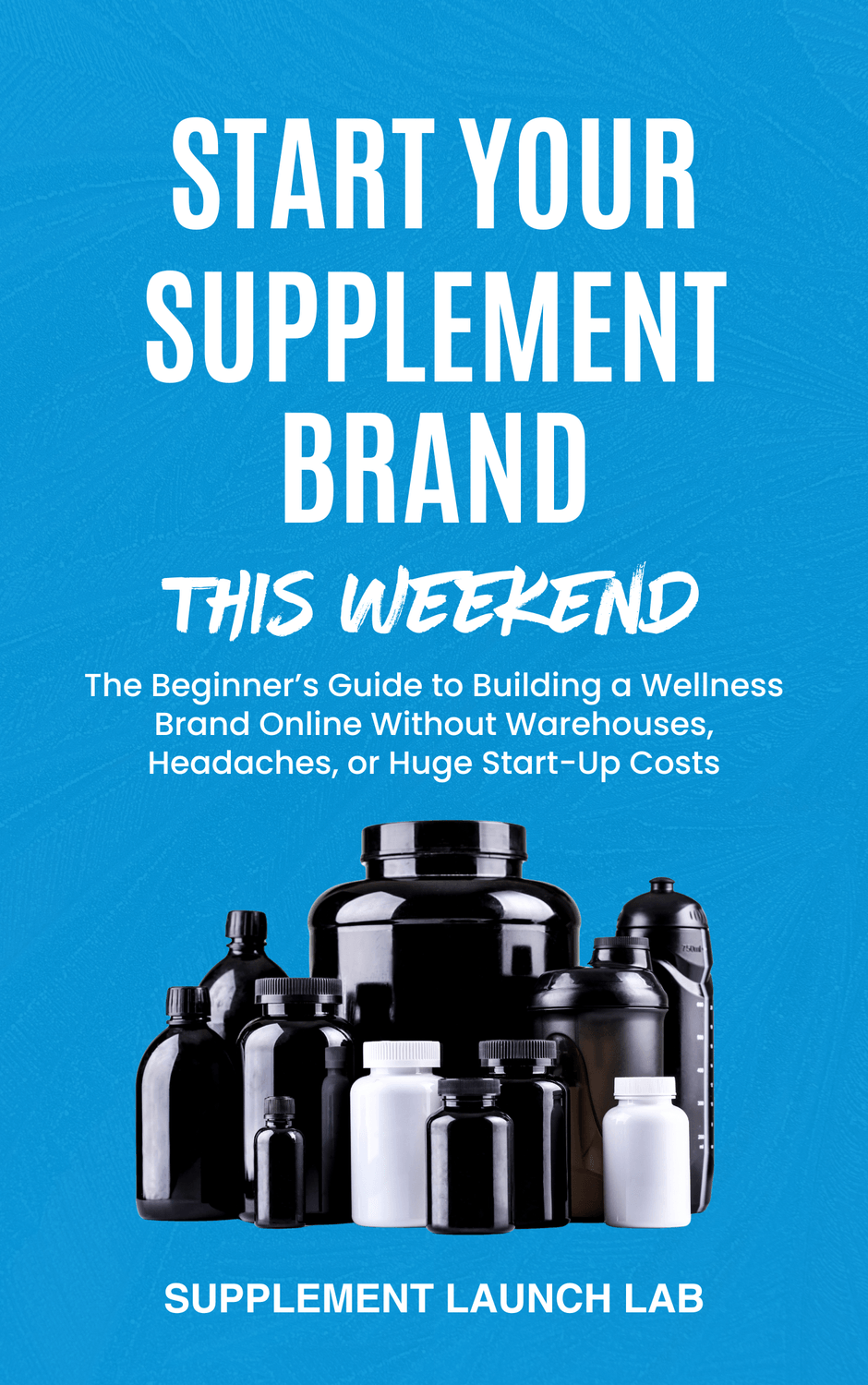
If you’re ready to take action, check out Start Your Supplement Brand This Weekend, a step-by-step guide that shows you exactly how to build your own supplement brand from home.
Because building a business doesn’t have to be hard. It just has to start.

Tina H.
Hey, I’m Tina! I created Supplement Launch Lab to make starting a supplement business simple and doable for anyone. If you’ve ever dreamed of building your own brand from home, you’re in the right place.
Learn how everyday people are launching profitable supplement businesses from home.


Get simple, actionable tips for starting your supplement brand.